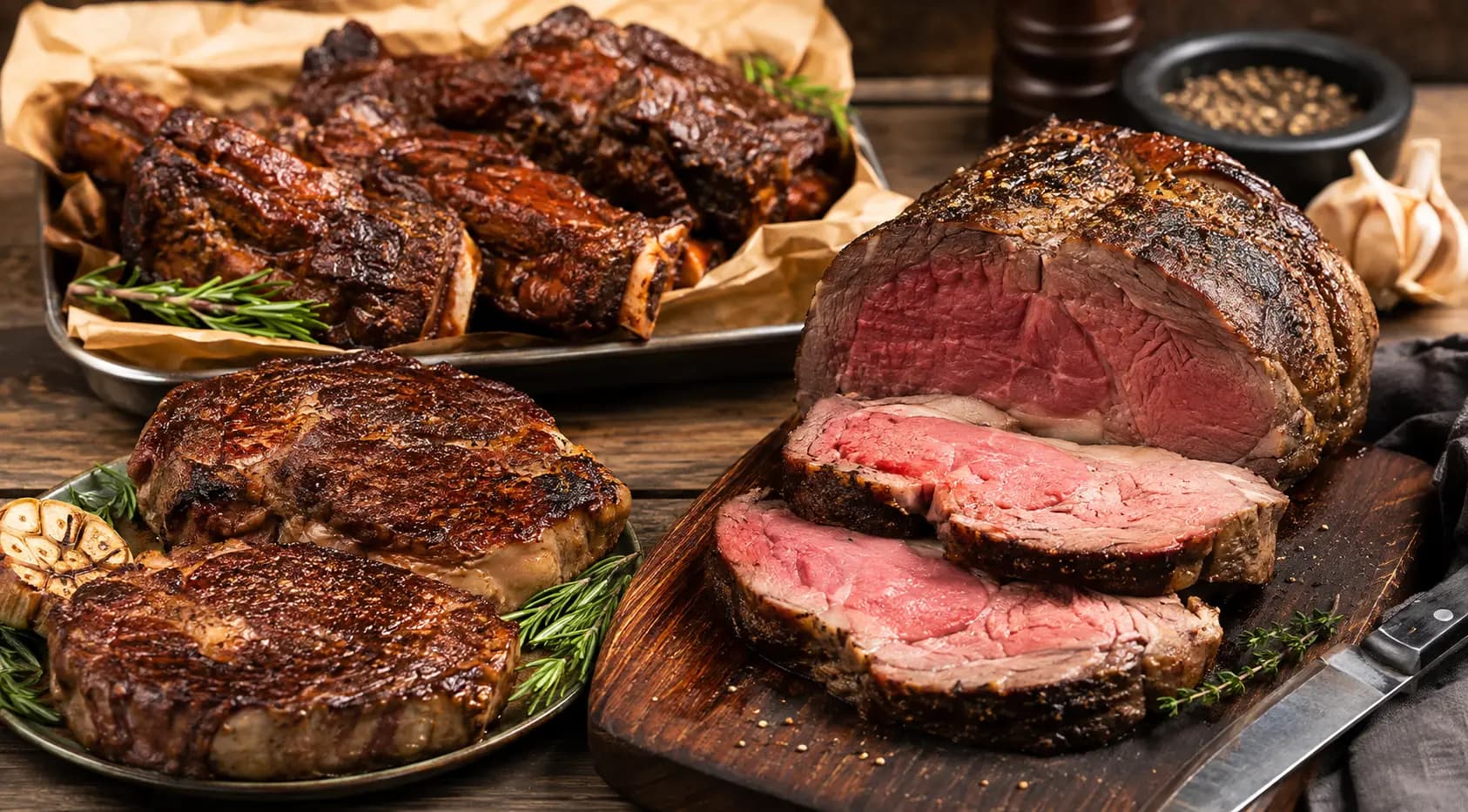
Choosing the right beef cut can feel surprisingly confusing. You may want tender meat, rich flavor, and reliable cooking results. However, different cuts require different cooking methods and expectations. For example, country style ribs can deliver incredible flavor when cooked properly. Meanwhile, steak lovers often debate sirloin vs ribeye when choosing value or richness. Prime rib also requires careful temperature control for excellent results. Fortunately, ButcherBox makes exploring quality beef cuts much easier. With the right approach, you can prepare restaurant-quality beef without unnecessary guesswork.
Common Problems When Choosing Beef Cuts
Many home cooks choose beef based only on appearance or price. Unfortunately, that approach can produce disappointing cooking results. Some cuts contain more fat, while others offer a leaner texture. Additionally, certain cuts require slower cooking methods to become tender. Country style ribs provide a perfect example. Despite their name, they do not always come from traditional rib sections. They often come from the shoulder area or nearby portions. Therefore, they benefit from slower cooking and enough moisture. Rushing the process can leave the meat chewy instead of tender. Steak creates another common challenge for many shoppers. Many shoppers compare sirloin vs ribeye without understanding their differences. Both cuts can taste excellent, but they provide different experiences. Prime rib creates another challenge because its size makes temperature control harder. A roast can overcook around the edges while remaining underdone inside.
Understanding What Makes Each Cut Different
Before choosing beef, consider tenderness, fat content, flavor, and cooking method. Country style ribs usually provide substantial meat and strong beef flavor. Their connective tissue responds well to slower cooking. Consequently, patience can produce exceptionally tender results. Sirloin generally offers a leaner profile with a satisfying beefy taste. It works well for everyday meals because it balances flavor and affordability. Ribeye contains more marbling, which contributes to rich flavor and juicy texture. Therefore, many steak enthusiasts choose ribeye for special occasions. When comparing sirloin vs ribeye, consider your priorities before choosing. Sirloin can suit leaner meals and regular cooking. Ribeye can provide a richer experience when you want something indulgent. Prime rib requires a different strategy because roasting affects the entire cut. Low, controlled heat can help the center cook evenly. That approach makes the reverse sear prime rib method particularly useful.
How to Cook Country Style Ribs Successfully
Start by seasoning the meat generously with salt and preferred spices. Then, allow the seasoning to sit before cooking. For especially tender country style ribs, choose a slow cooking method. You can braise them with broth, barbecue sauce, or flavorful liquid. Keep the cooking temperature moderate and give the meat enough time. The connective tissue needs time to soften and create tender texture. You can finish the ribs with higher heat afterward. This step creates better browning and adds appealing texture. However, avoid relying solely on cooking time. Thickness, starting temperature, and cooking equipment can change final results. Instead, monitor the meat and adjust your cooking process accordingly.
Sirloin vs Ribeye: Which One Should You Choose?
The sirloin vs ribeye debate depends on what you want. Choose sirloin when you prefer a leaner steak with strong beef flavor. It also works well when you want a practical everyday option. Choose ribeye when you want richer marbling and a luxurious texture. Its additional fat can create a particularly juicy bite. The cooking method also matters for both steaks. Both cuts benefit from proper seasoning and careful temperature management. Most importantly, avoid overcooking either steak. Excessive heat can dry the meat and reduce natural tenderness. A reliable meat thermometer can make this process much easier.
Why Reverse Sear Prime Rib Works So Well
The reverse sear prime rib method offers excellent cooking control. Instead of starting with extremely high heat, cook the roast slowly first. This approach allows the interior to reach the desired temperature gradually. Afterward, finish the roast with high heat. This final step creates a flavorful, browned exterior. It also prevents excessive cooking around the center. First, season your prime rib thoroughly. Then, place it inside a low-temperature oven. Monitor its internal temperature throughout the cooking process. Remove the roast before it reaches your final serving temperature. Carryover cooking will continue raising the internal temperature. Next, allow the roast to rest. Finally, apply high heat briefly to develop the crust. This reverse sear prime rib technique can provide more consistent results. It also gives you better control when preparing a large roast.
Choosing Better Beef Without Complicating Dinner
Quality ingredients can make cooking easier and more predictable. However, quality does not mean choosing the most expensive option. Instead, match each cut with your cooking method and occasion. For shoppers seeking convenient quality beef, the ButcherBox approach can simplify shopping. Carefully selected cuts can reduce uncertainty during grocery shopping. The ButcherBox concept also supports meal planning around different beef cuts. Consequently, you can prepare country style ribs one weekend. Then, you can prepare steak during another weekend. You can also explore different cuts while learning your preferred flavors. Over time, you can discover which textures suit your household best.
Benefits of Choosing and Cooking Beef More Carefully
Understanding beef cuts can improve your cooking confidence and results. First, you can select cuts according to your actual needs. You also avoid paying extra for qualities you may not value. Second, you can choose cooking methods that complement each cut. This approach reduces the risk of dry, tough, or unevenly cooked meat. Third, you can plan meals more efficiently. Buying suitable cuts ahead of time can simplify weekly meal preparation. The ButcherBox model can further simplify access to various meat options. Most importantly, techniques like reverse sear prime rib improve cooking control. You can apply the same temperature-focused thinking to other beef dishes.
Final Thoughts
Great beef does not always require complicated recipes or professional equipment. Instead, success starts with understanding your cut and choosing suitable cooking methods. Country style ribs need patience and appropriate cooking conditions. Sirloin and ribeye offer different combinations of flavor, marbling, and value. Meanwhile, reverse sear prime rib provides a dependable approach for large roasts. When you combine quality ingredients with better techniques, meals become easier. The ButcherBox can also provide convenient beef options for home cooks. Ultimately, focus on choosing the right cut and controlling temperature. Also, allow enough cooking time for each cut. These simple decisions can transform an ordinary beef dinner into something satisfying.